
Bathrooms Rebuilt for Daily Function and Appearance
Bathroom remodeling in Concord for outdated layouts, worn finishes, and spaces that no longer meet daily use
Woodsmann Restoration LLC handles bathroom remodeling in Concord with a process built around honest planning before any tile is ordered or fixture is selected. Many homeowners come to the project knowing what they dislike about their current bathroom but unsure how to sequence the work or which material decisions will actually hold up to daily use. Joshua works directly with each homeowner to review those specifics, flag tradeoffs, and build a scope that balances appearance, function, and ongoing maintenance.
The remodeling process typically covers tile finishes for floors and walls, fixture replacement, and coordinated installation across each component so the finished result looks intentional rather than assembled in parts. Planning materials together before work begins is one of the most consequential steps in a bathroom renovation—finishes that look right separately can conflict in the same space, and installation sequences that ignore substrate conditions or fixture rough-in locations tend to create costly corrections later. Joshua reviews these coordination points directly rather than handing them off.
Arrange a consultation with Woodsmann Restoration to walk through your bathroom renovation goals and get specific recommendations based on your existing space.
How Coordinated Planning Changes the Finished Result
A bathroom remodel involves more decision points than most homeowners anticipate, and the sequence of those decisions affects both cost and quality. Tile layout, for instance, needs to be planned in relation to the fixture positions—centering a tile pattern incorrectly relative to a shower niche or vanity creates visual imbalance that becomes permanent once grouted. Woodsmann Restoration walks through these layout relationships during planning, not after installation has started.
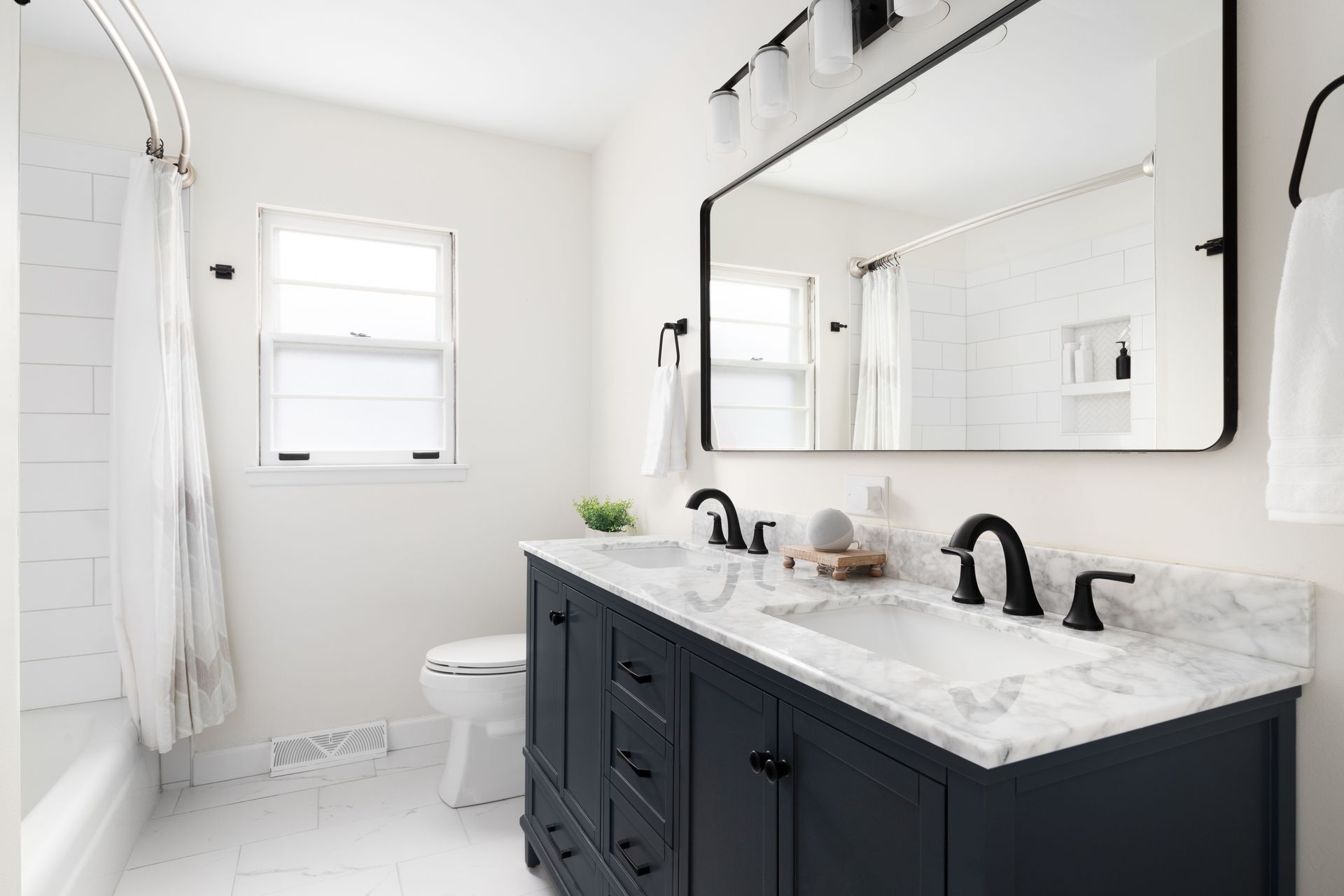
Once work is complete, the difference shows in the details: grout joints that run consistently across field and accent tiles, fixture trims that sit flush against finished surfaces, and transitions between flooring materials that don't create trip edges or exposed substrate. These are the specific things that separate a bathroom that photographs well from one that holds up and functions correctly two years after completion.
Woodsmann Restoration backs completed bathroom work with a workmanship warranty, which reflects confidence in how each installation is carried out rather than a generic assurance. Material selection, substrate preparation, and installation method are all factors that affect whether tile stays bonded, whether grout stays intact, and whether fixtures remain correctly seated over time.
What Property Owners Ask About the Work
The questions below address how bathroom remodeling is actually performed, what decisions come up during the project, and what you can expect to see once the work is finished.
What surface preparation is required before new tile can be installed in a bathroom?
The substrate beneath tile must be stable, flat, and appropriate for a wet environment—cement board or a comparable tile backer is typically required in shower and tub areas because standard drywall will deteriorate when exposed to moisture behind grout joints. Skipping this step is one of the most common reasons tile installations fail within a few years.
How does fixture placement affect tile layout during a bathroom remodel?
Fixture rough-in locations—where the plumbing exits the wall—determine where controls, spouts, and showerheads land, and tile layout needs to account for those positions so trims seat correctly against finished tile. Planning this coordination before tile is cut prevents the awkward partial-tile cuts around fixtures that signal a disconnected installation process.
What should you look for in a finished tile installation to evaluate workmanship quality?
Consistent grout joint width across the entire installation, tiles that are level and plumb rather than gradually drifting, and no hollow-sounding tiles when tapped indicate that adhesive coverage was adequate and the substrate was properly prepared. Grout haze fully cleaned from tile faces is another sign the finishing process was completed correctly.
How do Concord-area homes built in the 1980s and 1990s typically affect the scope of a bathroom remodel?
Homes from that construction era often have original one-piece fiberglass tub-shower units that were installed before the framing was closed, which means removal requires more than a straightforward swap—walls may need to be opened to extract the unit and rebuild the surrounding structure before new tile or enclosures can go in. Joshua assesses this during the initial walkthrough so the scope reflects what the existing installation actually requires.
What maintenance does a remodeled bathroom tile installation require to stay in good condition?
Grout should be sealed after installation and resealed periodically depending on traffic and moisture exposure, and the caulk joints at corners and transitions—where tile meets the tub, floor, or fixture trim—should be inspected annually and replaced when they begin to crack or separate, since those are the points most likely to admit water behind the finished surface.
Woodsmann Restoration LLC is the right starting point if you are ready to talk through what a bathroom remodel would involve for your specific space—call (704) 244-1726 to set up a consultation and review what your project would realistically include.