
Siding Damage Assessed and Repaired Directly
Siding repair in Concord for vinyl and Masonite siding with visible damage, deterioration, or sections that need localized replacement
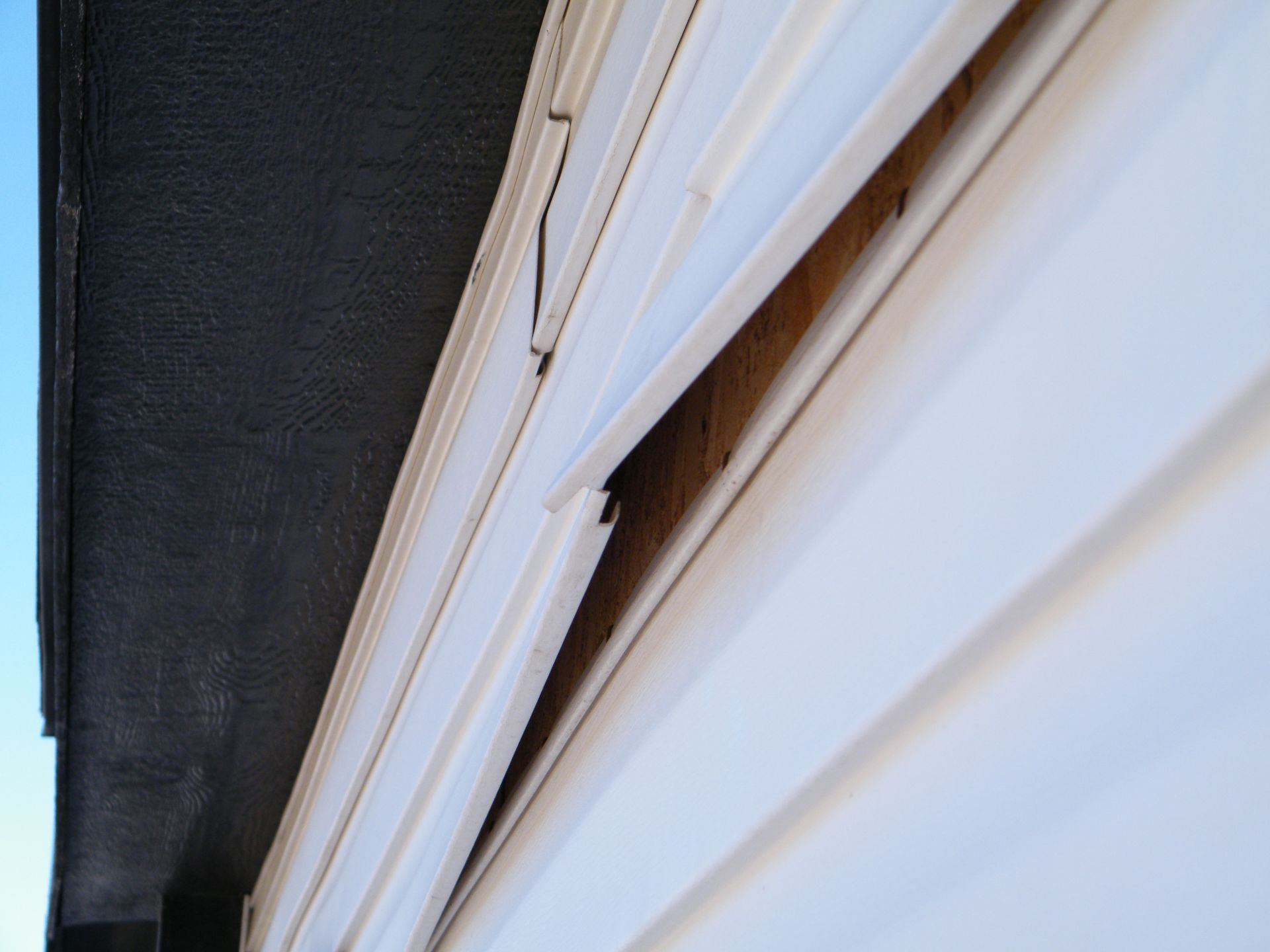
Cracked vinyl panels, buckled sections, or Masonite siding that has swelled and begun to separate from the substrate are all visible signs that localized repair is needed before the affected area grows. Woodsmann Restoration LLC works with homeowners in Concord on residential siding repair for vinyl and Masonite siding—two of the most common exterior cladding types found on single-family homes built across the region from the 1970s through the 2000s. The work starts with an honest assessment of what's damaged, what's affected by proximity to that damage, and whether targeted repair is the right approach for what's in front of you.
The assessment process covers what's visibly wrong, how far the affected area extends, and whether the damage is isolated or indicates a broader underlying issue. On Masonite siding in particular, water infiltration at cut edges, butt joints, or areas where the factory finish has broken down can cause swelling and delamination that looks confined but may involve adjacent boards. That distinction—between truly isolated panel damage and damage that has migrated—changes what a proper repair requires. Woodsmann Restoration evaluates that honestly rather than scoping the smallest possible job and leaving the underlying cause unaddressed.
Describe the siding issue you're seeing and arrange an assessment to determine what the repair involves.
What Siding Repair Actually Accomplishes
Matching replacement panels to existing siding requires attention to profile, thickness, and finish. Vinyl siding profiles vary by manufacturer and product line, and an exact match is not always available for older installations. Woodsmann Restoration works to find materials that are as close as possible to the existing siding in profile and color, and where an exact match isn't available, that's communicated clearly before repair work begins rather than after panels are already on the wall. Masonite repairs involve replacing affected boards and sealing all cut edges and butt joints properly to prevent the moisture infiltration that caused the original failure.
After repair is complete, replaced sections sit flush with the surrounding siding, fasteners are set correctly so panels can expand without buckling, and all joints and edges are sealed against water entry. The repaired area is visually identifiable on close inspection in some cases—particularly where an exact color match isn't achievable—but it is structurally sound, properly fastened, and no longer allowing water to reach the sheathing or framing behind it. That functional outcome is the priority of the work.
Siding repair through Woodsmann Restoration addresses localized damage and deterioration on residential exteriors. It does not include roofing, structural remediation, or large-scale water damage remediation. If an assessment reveals conditions beyond the scope of what Woodsmann Restoration handles directly, that's communicated clearly so the homeowner can identify the appropriate contractor for that portion of the work.
Answers About How the Work Is Done
The following questions address how siding repair is assessed, planned, and executed—particularly for the vinyl and Masonite siding types common on Concord's residential housing stock built over the past several decades.
How is the extent of siding damage determined during an assessment?
The assessment looks at the visible damage first, then checks adjacent panels and the area directly beneath damaged sections for signs that moisture has traveled or that substrate material has been affected. On Masonite, swelling is often more widespread than it appears from the street, and probing the edges of nearby boards helps establish where sound material begins.
What makes Masonite siding particularly prone to edge and joint failure?
Masonite is a composite product that holds up well when its factory finish is intact, but cut edges and butt joints that aren't properly sealed allow water to wick into the core material. Once moisture enters, the board swells and loses structural integrity, which is why proper sealing at every joint and cut edge is the most important step in both original installation and repair work.
Why does vinyl siding sometimes buckle or gap after repair?
Vinyl expands and contracts with temperature changes, and panels that are fastened too tightly can't move the way they're designed to. Correct installation leaves appropriate clearance at fasteners and allows the panel to slide slightly, which is why over-driving nails during repair is a common cause of buckling that shows up later.
How does the age of a Concord home affect which siding repair approach makes sense?
Homes built in Concord's established residential neighborhoods in the 1980s and 1990s often have original siding that is no longer manufactured in the same profile. That affects material matching and may make full-side replacement more practical than panel-by-panel repair in some cases, which is something the assessment will surface honestly.
What should the repaired area look like once the work is finished?
Replaced panels should sit flush with adjacent siding, fasteners should not be visible or protruding, and all joints and edges should be sealed. You can verify the repair by checking that panels don't flex excessively when pressed lightly and that no gaps exist at the butt joints where water could enter.
Woodsmann Restoration LLC handles residential siding repair with straightforward assessment and dependable workmanship. Call Joshua at (704) 244-1726 to describe the damage you're seeing and set up an assessment to determine what the repair requires.