
Decks Built or Restored with Honest Scope
Deck construction and repair in Concord for new builds, structurally compromised decks, and surfaces that need refinishing or replacement
Soft decking boards, corroded fasteners, posts that have shifted at their base, or rails that move when pressed are specific failure conditions—not general wear—and they indicate that the deck needs more than cleaning and a fresh coat of stain. Woodsmann Restoration LLC approaches deck projects in Concord by establishing what the deck actually requires before recommending a scope. That means assessing structural members separately from surface decking, identifying which components are sound and which are not, and giving homeowners an honest picture of what repair accomplishes versus what a full rebuild addresses.
New deck construction planning involves decisions about material selection, framing layout, post-footing depth, railing configuration, and finish treatment—all of which affect how the deck performs and how much maintenance it will require over time. Structural repairs, railing heights, and footing requirements are subject to building codes that vary by project scope and local ordinance, and permits are assessed on a per-project basis before construction begins. Woodsmann Restoration integrates that code review into the planning conversation rather than treating it as an afterthought once framing is already underway.
Discuss your deck project—whether new construction or an existing structure that needs work—to get a clear picture of what the scope involves.
Why Deck Material and Finish Decisions Affect Long-Term Maintenance
Decking material choice, finish selection, and board spacing are decisions made during construction that directly affect how the structure ages and what maintenance it requires. Pressure-treated lumber holds up structurally but requires periodic staining or sealing to limit checking and gray weathering on exposed surfaces. Composite decking eliminates most finish maintenance but adds upfront material cost and changes the fastener and framing requirements. Those trade-offs are specific to each project's intended use, exposure level, and the homeowner's maintenance preferences—Woodsmann Restoration works through those factors rather than defaulting to one material across all projects.
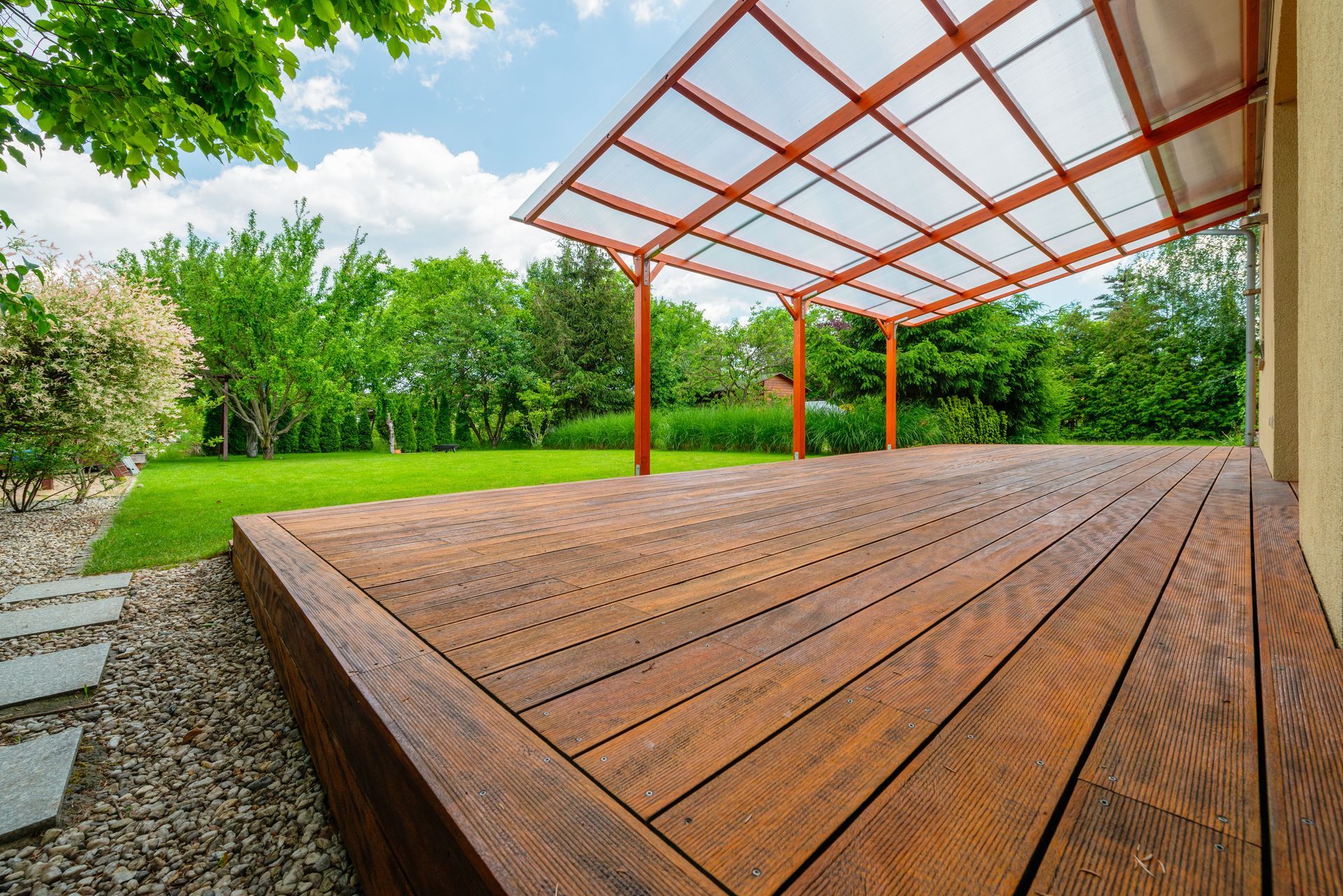
After construction or repair is complete, you should be able to walk the entire deck surface without flex or movement in any board, test each railing post for rigidity without visible give, and verify that water sheds off the surface rather than pooling in low spots between boards. Those are functional checkpoints that indicate framing is level, fasteners are properly set, and drainage was considered in the layout. Staining and painting, where included in the scope, provide a finished appearance and surface protection, and Woodsmann Restoration can advise on product selection based on the material being coated.
Deck repair work covers a range of conditions—from replacing individual decking boards to reframing sections where structural members have deteriorated. The appropriate scope depends on what the assessment finds, and Woodsmann Restoration communicates that clearly so homeowners understand what they're approving before work begins.
Questions Before Starting Your Project
These questions reflect what homeowners typically need to understand before committing to a deck construction or repair project, covering structural assessment, material decisions, finish work, and what the finished structure should demonstrate.
How does the assessment determine whether a deck needs repair or full replacement?
The structural members—ledger board, beams, posts, and joists—are evaluated separately from the surface decking. Decking boards can be replaced individually while framing remains sound, but if joists or posts show significant rot or movement, surface-only repair won't address the actual failure and replacement of those members is required.
What framing and footing conditions need to be verified before building a new deck?
Post footings must extend below the frost depth established by local code, and footing diameter is determined by the load they carry. In Concord, permit requirements for deck construction depend on height, square footage, and attachment to the house, and those thresholds are checked at the planning stage.
How does stain or sealant selection differ based on what the decking material is?
Pressure-treated lumber requires a stain or sealant formulated for treated wood and should be allowed to dry out sufficiently after installation before the first coat is applied—typically several weeks to a few months depending on moisture content. Cedar and redwood accept penetrating oils or transparent stains well, while composite materials generally require no coating at all.
What should you look for to identify whether a deck railing meets current code requirements?
Current residential deck railing requirements typically call for a minimum height of 36 inches for decks under 30 inches above grade, with balusters spaced so a four-inch sphere cannot pass through. Those specifications exist in the building code and are confirmed during the permit review process for any project that triggers an inspection.
What does proper board spacing accomplish and how can you verify it after installation?
Consistent gaps between decking boards—typically around an eighth to a quarter inch—allow water to drain off the surface rather than pooling and allow boards to expand slightly without pressing against each other. After installation, you should see uniform spacing across the full deck surface with no boards in direct contact.
Woodsmann Restoration LLC handles new deck construction and existing deck repair with careful planning and workmanship that holds up to inspection. Call Joshua at (704) 244-1726 to walk through your deck plans or describe the condition of the structure you need repaired.