
Bathing Areas Rebuilt Around Usability and Finish
Shower and tub remodeling in Concord for outdated enclosures, deteriorating surrounds, and finishes that no longer function correctly
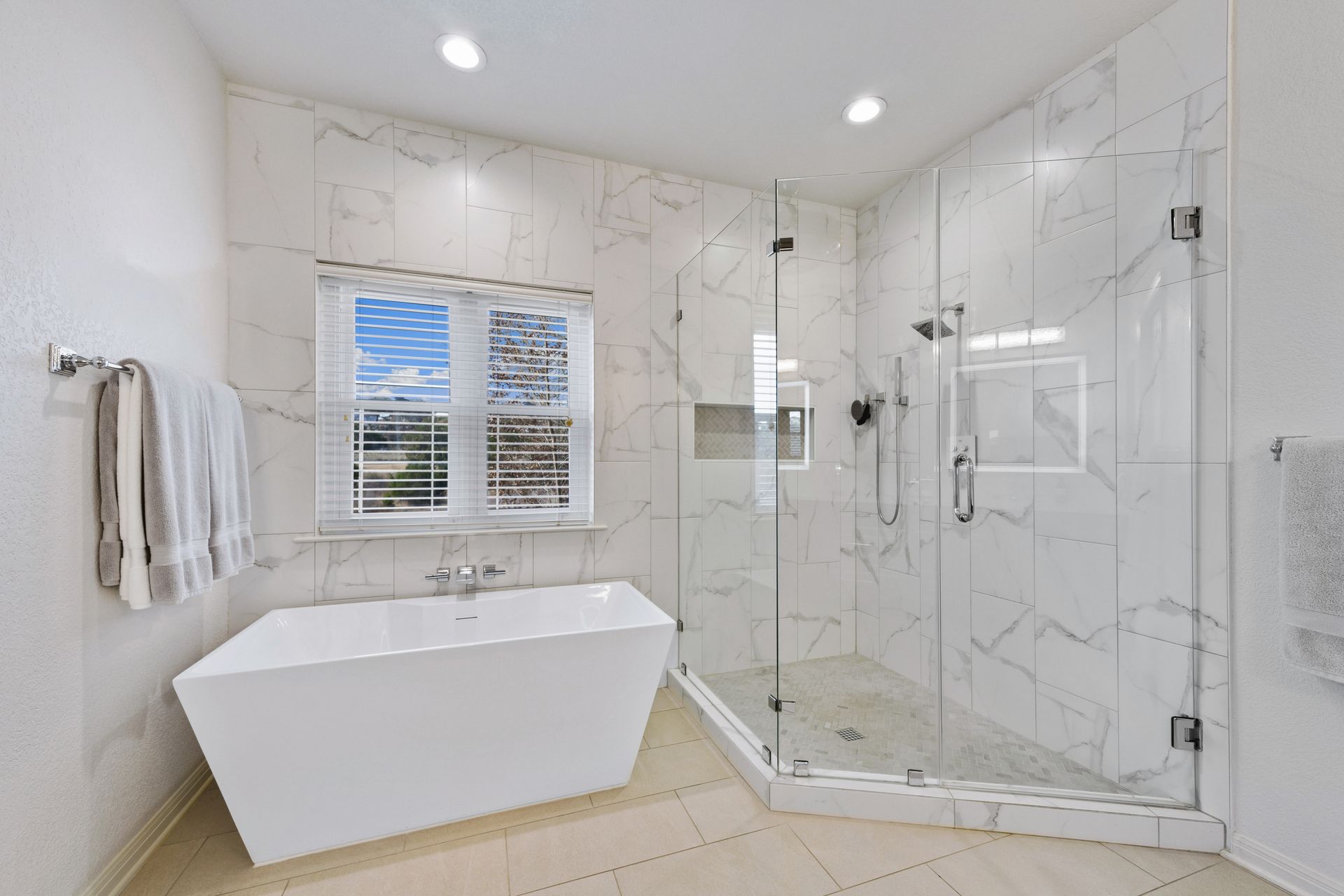
Cracked grout, stained surrounds, and enclosure hardware that no longer seals or operates correctly are the most visible signs that a shower or tub area has reached the end of its useful life in its current form. Woodsmann Restoration LLC addresses these conditions through shower and tub remodeling that covers enclosure updates, surrounding tile replacement, and finish improvements coordinated across the full bathing area. Joshua works with each homeowner in Concord to clarify what the existing installation actually requires before recommending a scope of work.
The remodeling process includes evaluating the enclosure type, the condition of the surrounding tile or panel surfaces, and the finish materials that will determine both the appearance and the daily maintenance requirements after the project is complete. Material selection at this stage matters more than most homeowners expect—a tile surround and a solid-surface panel system behave differently in terms of grout maintenance, cleaning effort, and long-term appearance, and the right choice depends on how the space is actually used rather than on appearance alone. Woodsmann Restoration walks through those distinctions honestly rather than defaulting to whatever is easiest to install.
Connect with Woodsmann Restoration to discuss the specifics of your shower or tub remodeling project and find out what your existing installation would require to bring it up to your goals.
Why Material and Layout Decisions Drive the Finished Result
Layout decisions in a shower or tub remodel are not purely aesthetic—where tile courses begin, how accent lines are positioned relative to the fixture trim, and whether niche locations align with the visible tile grid all affect whether the finished installation reads as planned or assembled. Woodsmann Restoration maps out these layout relationships before cutting begins so the final result reflects the intended design rather than field corrections made under time pressure.
After the remodel is complete, the change in the space is measurable: enclosure components that operate and seal correctly, tile surfaces that clean without trapping residue in deteriorated grout lines, and finish details that are consistent across the full installation rather than patchy where new work meets old. Homeowners who have lived with a failing surround or a stained enclosure for years typically notice the functional improvement in daily use before they notice the visual change.
Workmanship on shower and tub remodeling projects is backed by a warranty that reflects the standards Joshua applies during installation—substrate preparation, waterproofing integration, and tile adhesion are each handled as independent steps rather than combined into shortcuts that create callbacks. What is included in the project scope is communicated before work begins so there are no surprises about what the finished installation will and will not include.
Answers About How the Shower and Tub Work Gets Done
The following questions cover what shower and tub remodeling actually involves, how specific installation decisions are made, and what you will observe once the project is finished.
What happens to the existing surround or enclosure before new materials are installed?
Existing tile, panels, or fiberglass surrounds are removed down to the framing or substrate layer, and that substrate is inspected for damage before anything new is installed—water intrusion behind a failing surround often softens the backing material, and installing over compromised substrate guarantees the same failure will recur in the new installation.
How does tile size affect how a shower surround is laid out?
Larger format tiles require a flatter substrate because even minor high or low spots become visible as lippage between adjacent tiles, and the layout plan needs to account for how full tiles and cut tiles distribute across the visible field—the goal is to avoid small slivers of cut tile at the most prominent edges of the installation.
Why does grout joint width matter in a shower or tub surround?
Narrower grout joints reduce the surface area that requires sealing and routine maintenance but demand a more precisely leveled substrate, while wider joints are more forgiving during installation but collect soap residue and require more consistent cleaning attention to stay in good condition over time.
How does the construction era of Concord homes affect shower and tub remodeling scope?
Many homes built in the 1970s and early 1980s used single-piece fiberglass tub-shower units that were set in place during framing—removing these typically requires cutting the unit into sections, and the surrounding framing often needs assessment and repair before the new installation can begin, which affects how the project is scoped from the outset.
What should the finished caulk joints in a shower or tub installation look like?
Caulk at the corners, the tub or pan perimeter, and anywhere tile meets a fixture trim should be fully tooled into the joint without gaps or fish-eyes, and the color should match or coordinate with the grout used in the field—mismatched or poorly applied caulk at these joints is one of the most common signs that the finishing steps were rushed.
Woodsmann Restoration LLC also performs
shower and tub remodeling in Harrisburg, Kannapolis, and Cabarrus County communities surrounding Concord. Call (704) 244-1726 to set up a walkthrough and talk through what your bathing area remodel would realistically involve.