
Remodeling Planned Around What the Project Actually Needs
Home additions and remodeling in Concord for homeowners with defined goals and projects that require coordinated carpentry, framing, and finish work
Many Concord homes built between the 1970s and early 2000s were constructed with layouts that made sense for their era but don't accommodate how households use space today—open living areas were uncommon, primary bedrooms were undersized by current standards, and unfinished space was routinely left unaddressed because converting it wasn't part of the original build. Woodsmann Restoration LLC works with homeowners undertaking additions and interior remodeling to clarify what the project requires, establish what the business performs directly, and identify where coordination with other trades is necessary. Joshua leads that assessment personally rather than handing it to a salesperson.
The remodeling work Woodsmann Restoration handles directly spans carpentry, framing, drywall installation and finishing, flooring, tile work, and interior finish work. Larger projects that require structural modifications, new foundation work, or licensed mechanical, electrical, or plumbing trades are assessed at the outset so subcontractor arrangements and permitting responsibilities are identified before work begins—not discovered partway through the project. That upfront scope definition is what prevents the cost and schedule surprises that most remodeling complaints trace back to.
Describe your plans and the goals you're working toward to arrange an initial project discussion with Joshua.
What Proper Remodeling Scope Definition Requires
Additions and remodeling projects involve a sequence of decisions that each constrain what comes next. Where a wall is framed determines where flooring can run and where mechanical rough-in has to go. Whether an addition ties into the existing roofline or stands independent affects the structural connection and the interior ceiling height. Those interdependencies mean that defining scope accurately at the start—rather than letting it evolve as work progresses—is the primary factor in whether a project finishes close to the original plan. Joshua works through those decision points with homeowners during the initial project review rather than deferring them to mid-construction conversations.
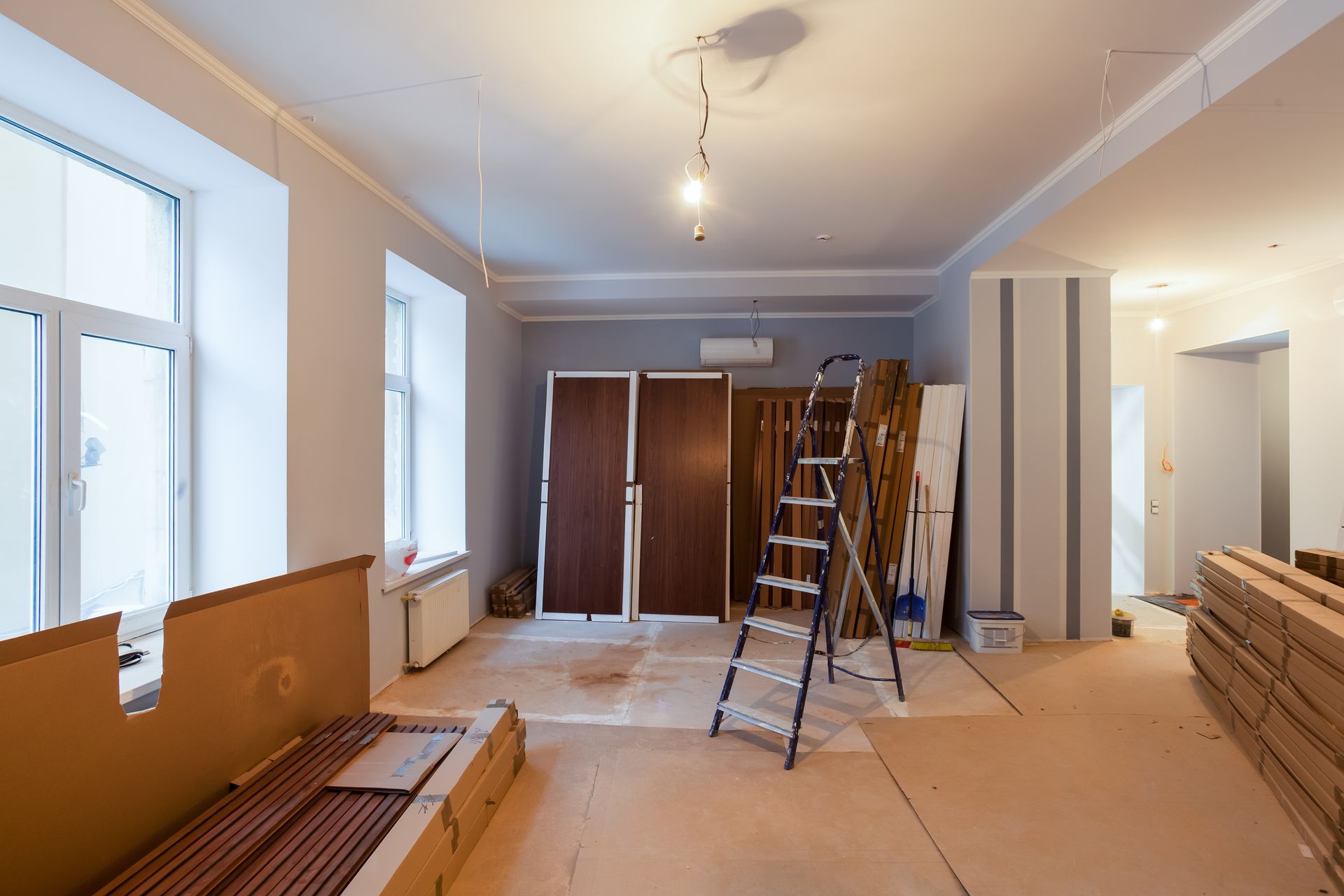
Once the work Woodsmann Restoration performs is complete, the finished spaces show consistent material transitions, properly set flooring, finished drywall ready for paint, and trim and finish details that integrate with the existing home rather than reading as additions grafted on afterward. The goal is that the remodeled space reads as part of the original structure—not in terms of style, which is a homeowner decision, but in terms of execution quality and material continuity. That standard requires communication throughout the project rather than a single scope conversation at the start and a final walkthrough at the end.
Project size, licensing requirements, and permit responsibilities vary depending on what the work involves. Home additions that cross certain square footage thresholds, alter load-bearing structure, or add habitable space typically require permits and inspections that are identified at the planning stage. Woodsmann Restoration communicates those requirements plainly so homeowners understand their obligations and can plan accordingly.
Common Questions About This Service
The following questions address how home additions and remodeling projects are scoped, sequenced, and managed—particularly where coordination between trades and permit requirements affect how the work proceeds in Concord's established and newer residential neighborhoods.
What information should you have ready before the initial project discussion?
A clear description of what the finished space needs to accomplish, approximate dimensions of the area involved, and any constraints you're aware of—ceiling height, existing utility locations, budget range—gives the initial conversation enough specifics to determine scope and identify which trades are likely involved.
How does the sequence of trades get established for a remodeling project?
Demolition and rough framing come first, followed by mechanical rough-in—electrical, plumbing, and HVAC—before walls are closed with drywall. Flooring typically installs after drywall is finished but before base trim, and paint follows trim installation. That sequence exists because each phase creates conditions the next phase depends on, and compressing it creates rework.
What permits are typically required for home additions in Concord?
Additions that add square footage to the home's footprint, alter load-bearing walls, or add habitable space generally require building permits and inspections through the local jurisdiction. The specific triggers depend on project scope, and those thresholds are confirmed during the planning phase rather than assumed.
How does the construction era of a Concord home affect remodeling scope and approach?
Homes built before the mid-1980s in Concord's older neighborhoods often have framing, insulation, and utility layouts that don't align with current standards or material sizing. Opening walls to remodel those spaces can reveal non-standard conditions—oversized framing lumber, outdated wiring configurations, or uninsulated cavities—that need to be addressed as part of the project.
What does the handoff between trades look like on a well-managed remodeling project?
Each trade leaves its work in a condition the next trade can start from without corrective work. Rough framing should be plumb and square before drywall goes up. Drywall should be finished and primed before flooring is installed at transitions. Clear communication between Joshua and any subcontractors is what keeps those handoffs from becoming scheduling gaps or rework triggers.
Woodsmann Restoration LLC takes on home additions and remodeling projects where clear scope, honest communication, and careful execution are the standard throughout. Call Joshua at (704) 244-1726 to walk through what your project involves and establish what Woodsmann Restoration can perform for you.