
A Backsplash That Works With Your Kitchen
Kitchen backsplash installation in Concord for surfaces that complement existing countertops and cabinetry
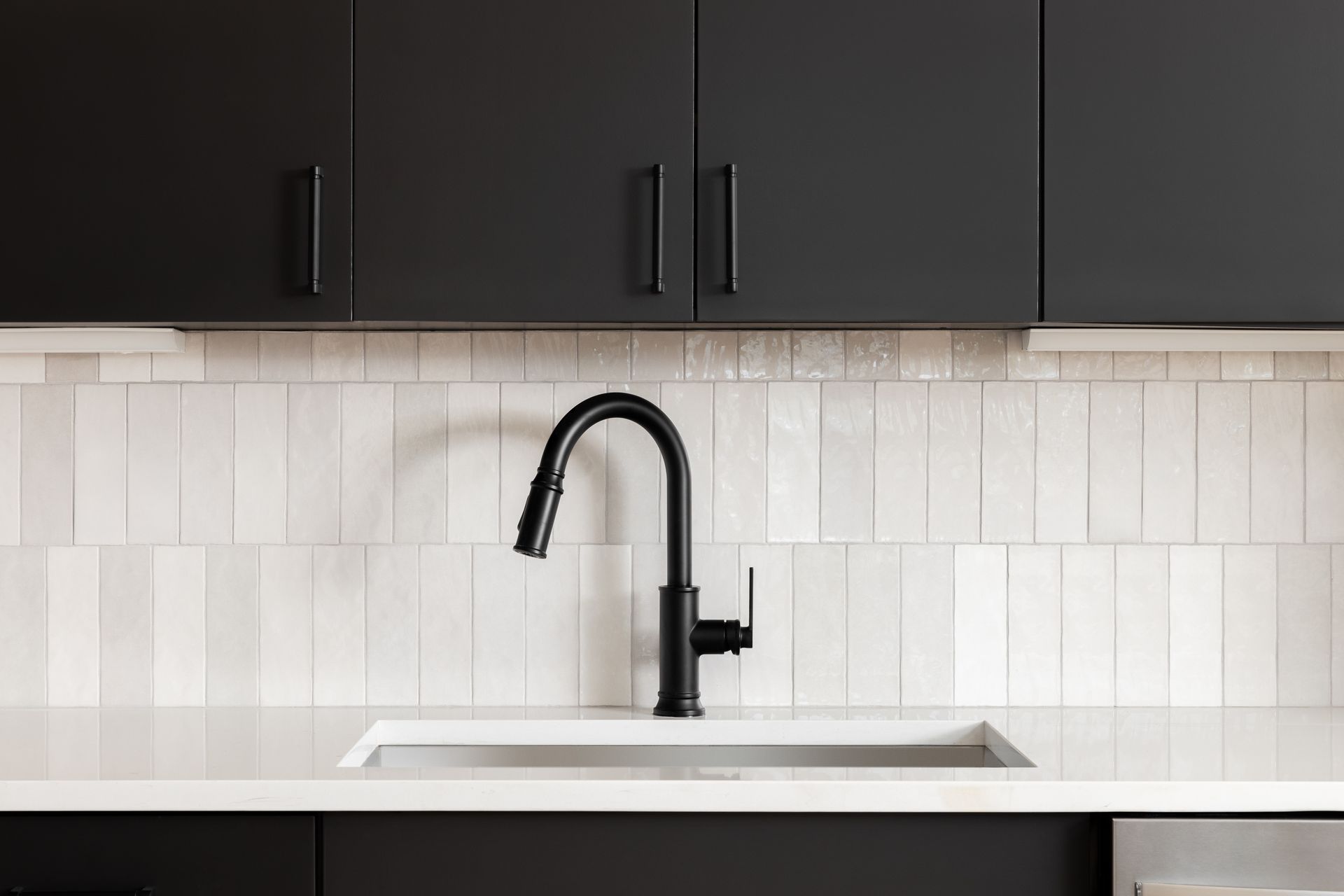
Woodsmann Restoration LLC handles kitchen backsplash installation in Concord for homeowners who want a finished wall surface that holds up to daily cooking and fits the look they've already built around their countertops and cabinetry. A poorly planned backsplash draws attention to itself for the wrong reasons—grout lines that don't align with existing horizontal surfaces, tile sizes that fight the proportions of the space, or edges that were never properly terminated. Getting those details right from the start means the installation reads as intentional, not improvised.
The process begins with layout planning before a single tile is set. That includes mapping the field pattern relative to the range hood, outlets, and upper cabinet lines, which determines where cuts will fall and whether a focal point tile runs centered or offset. Surface preparation follows—the existing wall must be clean, flat, and stable before adhesive is applied, because backsplash tile has no room to correct for unevenness the way a floor installation can with leveling compound. Outlets and switches require careful scribing so faceplates sit flush without visible gaps, and edge trim at countertop returns needs to be planned as part of the layout, not added as an afterthought.
Contact Woodsmann Restoration LLC to discuss your
tile preferences and walk through layout options before selecting materials.
What Proper Backsplash Installation Requires
Material selection affects how the installation is executed at every stage. Large-format tiles—anything in the 12-by-24 range or larger—require a back-butter technique in addition to trowel application to the wall to achieve adequate coverage behind the tile, which prevents hollow spots that cause cracking later. Subway tile in a running bond pattern requires a reference line pulled from the countertop, not the floor, because kitchen floors are rarely level and any variation telegraphs through a horizontal coursing pattern. Mosaic sheets on mesh backing require consistent pressure across the full sheet to keep the face plane even, which is more demanding than it looks when the sheets are set vertically on a wall.
Once the tile is set and cured, grouting closes the joints and locks the field. The grout color you select will read differently once it cures than it does in the sample, and unsanded grout used in joints under one-eighth inch wide requires a longer cure window before sealing. After sealing, the surface wipes clean without absorbing cooking residue into the grout matrix—a visible, functional difference homeowners notice immediately in routine cleanup.
Tile size, pattern scale, and color all interact with the visual weight of upper cabinets and countertop edge profiles. Smaller mosaic tiles read as busier in compact galley kitchens but work well behind open shelving where the detail has room to breathe. Woodsmann Restoration LLC discusses these trade-offs during the planning stage so material choices are made with installation realities in mind, not just from a showroom sample.
Common Questions About This Service
The questions below address how kitchen backsplash installation actually works—what decisions get made during the project and what homeowners can expect at each stage.
What surface preparation is needed before tile can be set on a kitchen wall?
The wall surface must be free of grease, paint that isn't bonded, and any texture that prevents full adhesive contact; drywall seams or old adhesive ridges from a removed backsplash need to be skimmed flat before layout begins.
How are outlets and switch boxes handled during a backsplash installation?
Each outlet box gets measured and scribed individually so the tile cutout aligns with the box opening, allowing the faceplate to sit flush against the tile face without caulking the gap.
Why does grout joint width matter when choosing a tile pattern?
Joint width determines whether sanded or unsanded grout is appropriate, and it also affects how much the grout color influences the finished appearance—wider joints make the grout a more dominant visual element in the overall pattern.
What happens at the top edge of the backsplash where it meets the upper cabinets?
That edge is typically finished with a bullnose tile, a metal edge trim, or a caulk joint rather than grout, because a rigid grout joint at a termination point is likely to crack as the cabinet and wall move independently.
How do Concord-area kitchen layouts typically affect backsplash planning?
Many mid-century and tract-built homes in the area have kitchens with non-standard upper cabinet heights or misaligned soffits, which requires the layout to be set from a fixed horizontal reference point rather than assuming the existing features are plumb and level.
Woodsmann Restoration LLC is available to walk through your kitchen layout, discuss tile options, and build an installation plan around the specific dimensions and features of your space. Schedule a consultation to review your backsplash project in detail.