
Moisture Control Built Into the Installation Sequence
Bathroom waterproofing in Concord for showers and moisture-exposed areas before tile finishes are installed
Tile and grout are finish materials, not waterproofing systems—water moves through grout joints and around improperly caulked transitions regardless of how carefully tile is set, and what lies behind the tile surface determines whether that water causes damage or is managed correctly. Woodsmann Restoration LLC integrates waterproofing into bathroom renovation work in Concord as a preparation step that happens before any tile is installed, addressing the substrate and transition points that control where water goes once it gets past the visible finish surface. Joshua assesses each installation honestly to determine what the specific application requires.
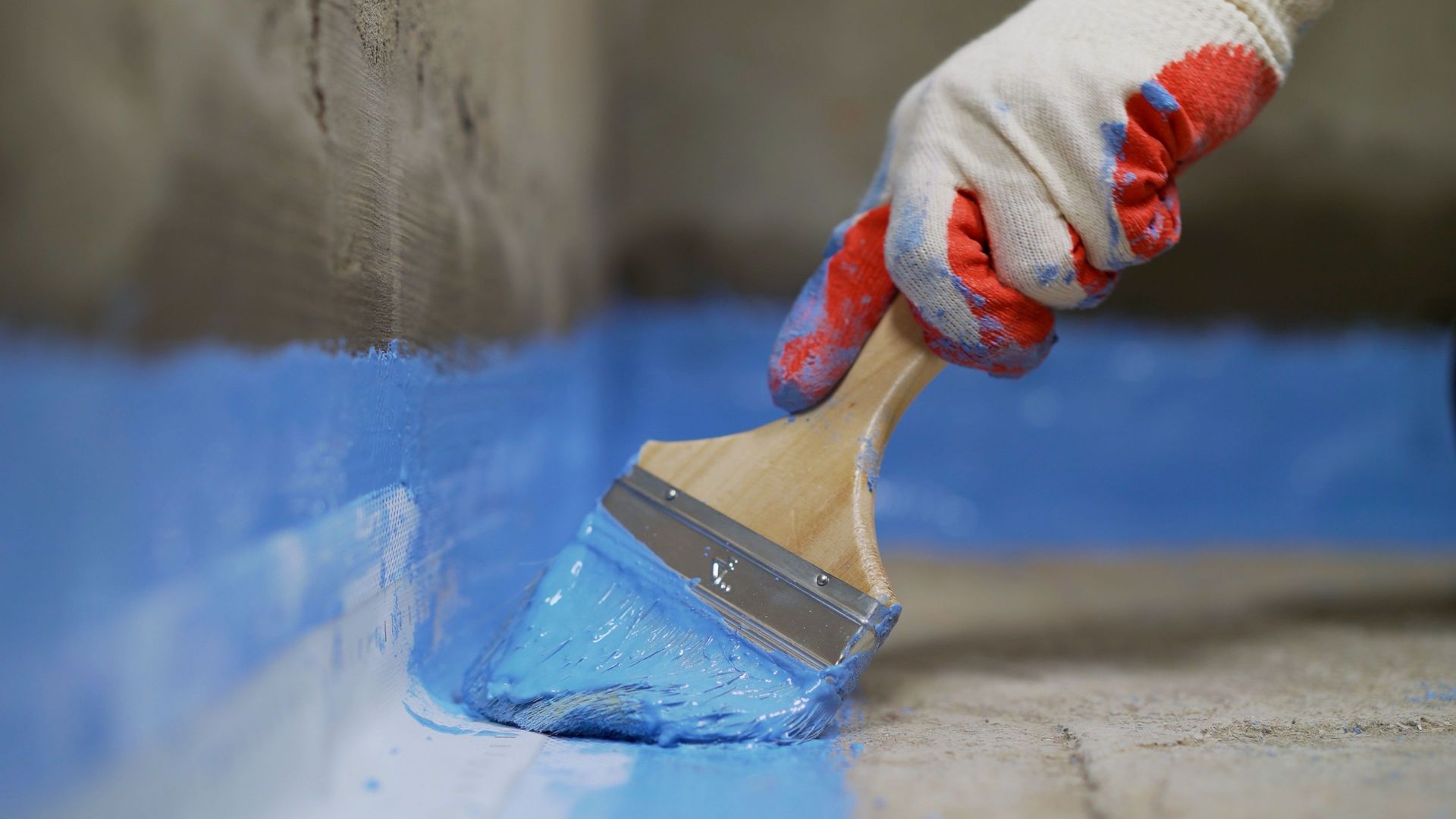
The waterproofing process involves preparing the substrate, applying a compatible membrane system to the shower walls and floor, and detailing the transitions at corners, curbs, and penetrations where most failures originate. Different membrane systems—sheet-applied, liquid-applied, and foam backer board systems with integrated waterproofing—are each appropriate to different substrates and installation sequences, and the choice depends on the specific shower configuration rather than on what is simplest to source. This coordination with the tile installation that follows is where Woodsmann Restoration adds genuine value, because a waterproofing membrane that is interrupted or improperly detailed at its termination points provides far less protection than the material itself is capable of delivering.
Schedule a conversation with Woodsmann Restoration before your bathroom finishes are installed to assess what waterproofing your shower or wet area actually requires.
How Waterproofing Fits Into the Renovation Sequence
Waterproofing must be installed and inspected before tile work begins—once tile is set over a membrane, the integrity of the membrane at corners, drains, and penetrations cannot be verified without removing the finished surface. Woodsmann Restoration treats this sequencing as non-negotiable: the membrane is applied, corners and transitions are fully reinforced, and the surface is assessed before any adhesive or tile goes down. This is also the stage where the drain assembly is integrated into the membrane system, which is a critical detail that, when skipped or handled carelessly, creates a direct path for water to reach the substrate at the lowest point in the shower.
Homeowners working through a bathroom renovation do not typically see the waterproofing layer once tile is installed, but its presence becomes evident when grout joints crack years later and no moisture damage has developed behind the wall—or its absence becomes evident when soft spots appear in the surrounding substrate or flooring. The difference between those two outcomes is determined entirely by what was done before tile installation began.
Woodsmann Restoration does not provide mold remediation or structural repair as standalone services, and the scope of any waterproofing work is communicated clearly before the project begins. Where existing damage is uncovered during substrate preparation, Joshua discusses the findings directly with the homeowner and adjusts the scope accordingly rather than proceeding over a compromised base.
Questions Before Starting Your Project
The following questions address how bathroom waterproofing is performed, what decisions come up during the process, and how it relates to the tile installation that follows.
Why is a dedicated waterproofing membrane necessary when cement board is already being used as a substrate?
Cement board is dimensionally stable when wet and will not swell or deteriorate the way standard drywall does, but it is not a waterproofing material on its own—water passes through it freely, and without a membrane applied to its surface or integrated into the assembly, moisture reaches the framing behind it where it can cause damage over time.
How are corners and transitions detailed in a properly waterproofed shower?
Inside corners and transitions between the wall and the shower floor are the most vulnerable points in any waterproofing assembly because they experience movement and stress—these joints are typically reinforced with fabric tape embedded in the membrane material before the field surfaces are coated, creating a flexible, continuous barrier rather than relying on the membrane material alone to bridge a corner under tension.
What happens at the drain location during shower waterproofing?
The drain assembly must be integrated directly into the waterproofing membrane so there is no gap between the membrane surface and the drain flange—this typically involves clamping the membrane to the drain body or bonding it with compatible adhesive, and the specific method depends on the drain type and the membrane system being used.
How does the construction era of Concord homes affect bathroom waterproofing scope?
Bathrooms in homes built before the mid-1990s frequently used shower pans lined with lead or chlorinated polyethylene sheet, both of which degrade over decades—when those original pans fail, the surrounding framing absorbs moisture, and renovation scope must include assessing and addressing that framing condition before any new membrane system can be installed over a stable base.
What is the correct sequence between waterproofing and tile installation?
The membrane must be fully applied, all transition details completed, and the assembly allowed to cure according to the manufacturer's specification before tile adhesive is spread over it—beginning tile work before the membrane has cured can compromise adhesion between the membrane and the mortar bed and may introduce movement that damages the membrane at corners and seams.
Woodsmann Restoration LLC handles bathroom waterproofing as part of a coordinated renovation process—call (704) 244-1726 to talk through what your shower or wet area requires before finishes are installed.